Purple Fox Face: A Designer’s Real-World Review
First Impressions: Charm, Clarity, and Quiet Confidence
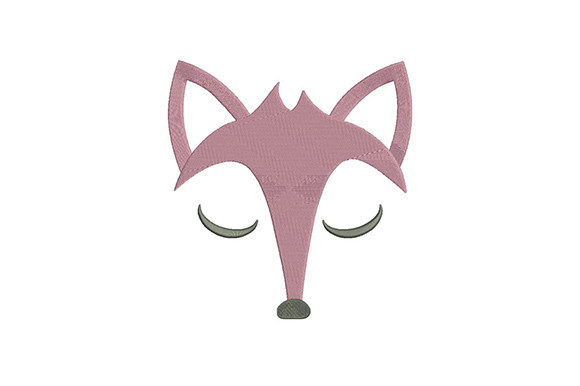
When I opened Purple Fox Face on my embroidery software, I wasn’t met with flashy complexity—but with a quiet kind of magic. This isn’t a bold, graphic fox silhouette. It’s a softly rendered, expressive face: gentle eyes, subtle whiskers, delicate ears, and that unmistakable purple tone lending warmth and whimsy without overwhelming. As a designer who regularly selects machine embroidery designs for real customer orders—think baby blankets, boutique aprons, and custom tote bags—I immediately sensed its versatility. The mood is friendly but refined; the detail level strikes a smart balance between readability at small sizes and enough nuance to feel handmade, not mass-produced. It reads as an embroidery file that understands fabric—not just pixels.
Fits Naturally Into Thoughtful Handmade Projects
Purple Fox Face doesn’t shout for attention—it invites connection. That makes it ideal for products where emotional resonance matters: personalized gifts for new parents, nursery decor, kitchen towels for a cozy café brand, or embroidered patches for a children’s clothing line. I recently used it on a linen pillow cover for a local boutique order, and customers responded strongly to its approachability. It also works beautifully as a sweatshirt embroidery centerpiece—small enough for a chest placement, detailed enough to hold up on mid-weight fleece. On a curved cap surface? I’d recommend testing first, but the clean outlines and moderate stitch density suggest it’ll translate well with proper stabilizer and careful hooping.
Performance Across Common Fabric Challenges
In real-world stitching, Purple Fox Face behaves thoughtfully. The satin stitch around the muzzle and inner ear provides gentle dimension without excessive bulk—great for stretchy fabrics like cotton jersey or lightweight knits, as long as you pair it with cutaway or tear-away stabilizer appropriate for the base. On dark fabric? Its contrast relies on thread color choice, so I always test two or three purples and greys side-by-side on scrap before committing. For baby items or kitchen towels—products that endure frequent washing—the design avoids ultra-fine running stitches in critical areas, favoring stable fill and satin elements instead. That gives me confidence in long-term durability.
One note: while it’s not overly dense, the cheek and eye details do carry slightly higher stitch concentration. On textured fabrics like terry cloth or heavy canvas, I reduce top tension slightly and use a slightly larger needle (75/11) to prevent skipped stitches. And yes—it fits comfortably in a 4x4 hoop, which keeps production efficient across multiple projects like aprons, patches, and tote bag accents.
Why It Elevates Your Handmade Product—and Your Brand
For Etsy sellers and craft fair vendors, presentation is everything. Purple Fox Face consistently lifts the perceived value of finished goods. When photographed on a neutral linen tote or a cream-colored sweatshirt, it reads as intentional, curated, and quietly sophisticated—not generic clip art. That impression builds buyer trust. Customers don’t just buy a fox; they buy softness, personality, and care. I’ve seen repeat buyers specifically ask for “that purple fox” on custom orders, which tells me it’s becoming part of a recognizable visual language for small businesses using it intentionally.
It also supports brand consistency. Whether you’re building a woodland-themed nursery collection or a modern cottagecore apparel line, Purple Fox Face slots in cleanly without demanding a full rebrand. Paired with simple typography or minimal botanical accents, it becomes a signature element—not a one-off novelty.
Smart Use Tips for Commercial Embroidery & Digital Sellers
If you’re offering custom apparel or selling finished embroidered goods, here’s what I check before adding Purple Fox Face to a live listing:
- Test on scrap fabric—especially if using a new thread brand or stabilizer combo.
- Review stitch density visually in your software: look for tight clusters that might snag or pucker on lightweight fabrics.
- Confirm hoop size compatibility—this design works in standard 4x4 hoops, but double-check your machine’s exact dimensions.
- Compare light and dark fabric mockups before finalizing product photos—thread contrast shifts dramatically.
- Inspect small details post-stitch: whiskers and eyelashes should be crisp, not fuzzy or lost in underlay.
- Verify licensing terms on the Creative Fabrica product page before selling finished items—some Wild Animals category files allow commercial use, but always confirm.
For digital product sellers bundling design assets, Purple Fox Face pairs well with coordinating florals, minimalist borders, or monogram frames. Its cohesive style makes it easy to build themed collections—say, “Forest Friends” or “Pastel Wildlife”—without clashing. And because it’s rooted in the Embroidery category rather than digitized graphics, it arrives ready for direct machine use, saving time on prep work.
A Final Thought for Real Projects
I didn’t choose Purple Fox Face because it was trendy. I chose it because it solved a real need: a design that feels personal but scales reliably, delicate but durable, distinctive but inclusive. It’s become part of my go-to rotation for baby blanket corners, kitchen towel hems, and embroidered patch sets—all places where charm and craftsmanship must coexist. It won’t replace every animal motif in your library, but it fills a specific, valuable niche: the thoughtful, wearable, giftable wild animal. If your handmade product needs warmth without whimsy overload—if your customers respond to quiet storytelling over loud graphics—Purple Fox Face earns its place in your embroidery file collection.