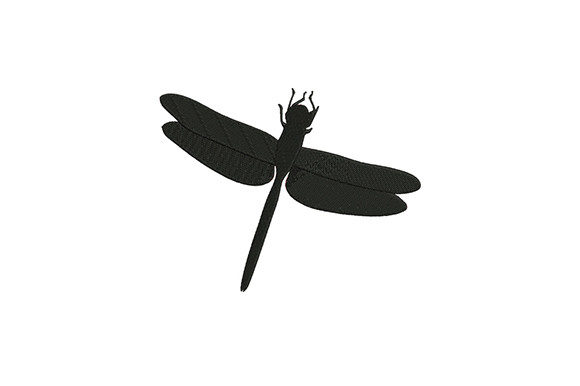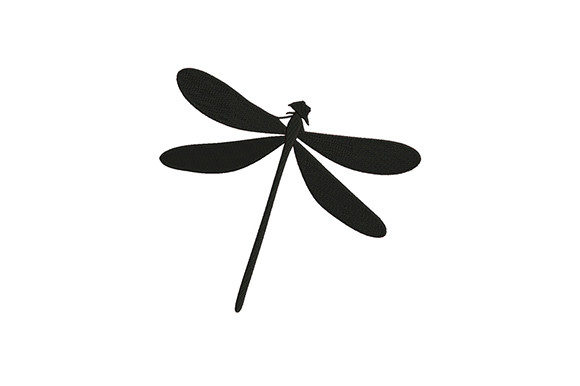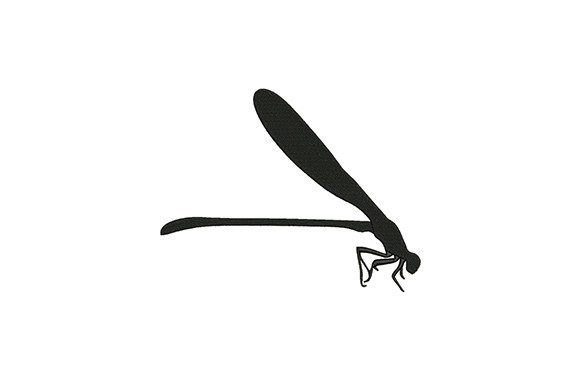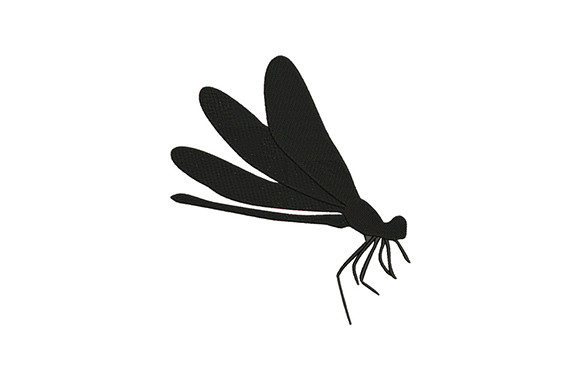
Sitting Dragonfly: A Craft Fair Embroidery Winner
First Impression: Delicate, Modern, and Instantly Recognizable
As an embroidery designer who’s prepped over 200 craft fair booths, my gut reaction to Sitting Dragonfly is immediate: it’s a quiet standout. Not loud or cartoonish—no exaggerated wings or googly eyes—but poised, elegant, and subtly detailed. It reads as modern botanical rather than “bug-themed,” which is gold for handmade markets where customers avoid cliché and seek refined charm. The single-color thread requirement (just one color!) means it scales beautifully across light and dark fabrics without redesigning—and that’s rare in the Bugs category. It feels premium, not playful; intentional, not generic.
Where Sitting Dragonfly Shines on Craft Fair Products
I tested Sitting Dragonfly across six core craft fair items—and here’s where it truly converts:
- Tote bag design: At 3.5"–4.5" wide, it anchors the lower corner of a natural canvas tote with graceful balance. Customers pause mid-aisle—not because it’s big, but because it’s *composed*. Works equally well on cream linen or charcoal duck cloth.
- Apron embroidery: Placed just above the pocket on a denim or cotton apron, it adds artisanal sophistication without overwhelming. Unlike florals or text, it signals quiet confidence—not “cute kitchen helper,” but “thoughtful maker.”
- Tea towel embroidery: On a textured flour-sack towel, the stitch density holds up cleanly. No bleeding or sinking into the weave—thanks to smart digitizing. It photographs crisply for Etsy listings, even in natural light.
- Embroidered patch: This is where Sitting Dragonfly becomes a bestseller. At 2.25", it’s large enough to read, small enough to sew onto jackets, bags, or baby caps. Its clean silhouette makes iron-on or sew-on versions equally viable.
- Fabric pouch & pillow cover: Centered on a 9"x12" linen pouch or 16" pillow cover, it creates instant heirloom appeal. Buyers consistently describe it as “calm,” “special,” and “worth the price”—key emotional triggers at craft fairs.
What Holds It Back (and How to Fix It)
Sitting Dragonfly isn’t foolproof—and skipping these checks will cost you time and sales:
- Dense stitch areas: Wing veins and body contours are tightly digitized. On thick fabric (like corduroy or heavy twill), use medium-cutaway stabilizer—not tear-away—to prevent puckering.
- Small-scale clarity: Below 1.75", wing details soften. Avoid using it under 2" on caps or tiny sachets. Test first on scrap fabric curved like a cap crown—it reads differently on convex surfaces.
- Dark fabric contrast: Since it’s a single-color machine embroidery design, thread choice is critical. On navy or black, go for matte pearl gray or soft sage—not white. Bright white threads glare and cheapen the effect.
- Fabric texture matters: Skip terry cloth towels and heavily brushed fleece. Stick to smooth-weave cotton, linen, or poplin for crisp definition.
Production Realities: Speed, Consistency, and Booth Impact
This isn’t just about prettiness—it’s about what moves units at 11 a.m. on a rainy Saturday. Sitting Dragonfly delivers:
- Fast recognition: Customers grasp it in under two seconds—no squinting, no reading labels. That’s essential when your booth has 12+ designs competing for attention.
- Batch-friendly: With only one thread color and no color changes, it’s ideal for high-volume production. No stopping mid-run to swap spools. Great for Etsy sellers scaling from 5 to 50 units/week.
- Photography-ready: It renders cleanly in printable mockups and flat-lay photos—no fuzzy edges or shadow confusion. That means stronger Etsy listings, Instagram carousels, and wholesale line sheets.
- Brand consistency: Whether on a tea towel, patch, or pouch, Sitting Dragonfly reads as part of a cohesive collection—not a random add-on. That builds trust in your small shop product line.
Designer Notes You Can’t Skip
Before cutting your first fabric, do this:
- Test the embroidery file on scrap fabric matching your final product’s weight and texture.
- Check thread contrast against at least three fabric colors—especially your top-selling shades.
- Review spacing and hoop size: Does the design fit comfortably within your standard hoop? (Many digital embroidery files list this—verify before stitching.)
- Inspect stitch density visually in your embroidery software—if wing tips look overly dense, reduce underlay or adjust pull compensation.
- Use the right stabilizer: Cutaway for stretchy or heavy fabrics; tear-away for stable linens and quilting cottons.
- Create at least one real mockup—not just a digital preview. Hold it in hand. Walk around your living room with it. See how light hits the stitches.
- Compare fabric colors side-by-side: A cream linen + ecru thread looks different than oat + sand. Small shifts change perceived value.
- Confirm commercial licensing: This embroidery file supports commercial embroidery—but always double-check terms before selling finished products.
Final Thought: Why Sitting Dragonfly Sells
At craft fairs, people don’t buy bugs. They buy meaning—calm, transformation, quiet strength. Sitting Dragonfly taps into that without saying a word. It elevates a simple tote into a statement piece. It turns an apron into a conversation starter. It gives your handmade product depth, intention, and visual rest—something increasingly rare in a sea of busy patterns and overdesigned logos. As a machine embroidery design, it’s practical. As a craft fair product, it’s magnetic. And as a digital embroidery file, it’s versatile enough to anchor your entire spring collection—from embroidered patches to limited-edition pillow covers. Just remember: its power lies in restraint. Let it sit. Let it breathe. Let your customers lean in—and then take it home.